

SME AI Starter Kit
How to use ai4sme.org in order: the free AIRI readiness assessment, the 308-case use-case library, the three-hour course, and the SME AI Starter Kit page by page. Free, no login, no fees.
Business & SMEs
AIFN Insights
What worked, what did not, and what it means for your organisation. New essays roughly every week.
SME AI Starter Kit
How to use ai4sme.org in order: the free AIRI readiness assessment, the 308-case use-case library, the three-hour course, and the SME AI Starter Kit page by page. Free, no login, no fees.
 I Rebuilt AI For Everyone
AI For Everyone rebuilt as a static, signup-free, tracking-free course with a Try-it on your own work in every lesson and the AIRI readiness thread end to end.
I Rebuilt AI For Everyone
AI For Everyone rebuilt as a static, signup-free, tracking-free course with a Try-it on your own work in every lesson and the AIRI readiness thread end to end.
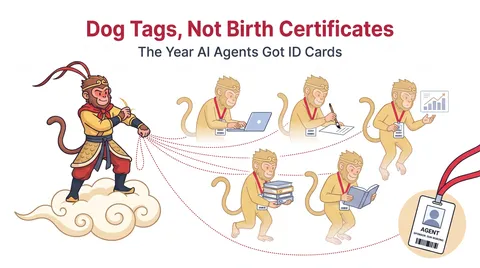 Dog Tags, Not Birth Certificates: The Year AI Agents Got ID Cards
Agents got ID cards in 2026, from Microsoft Entra to a government card in Beijing. The documentation says identity designed to be created, tracked and traced to a named human owner
Dog Tags, Not Birth Certificates: The Year AI Agents Got ID Cards
Agents got ID cards in 2026, from Microsoft Entra to a government card in Beijing. The documentation says identity designed to be created, tracked and traced to a named human owner
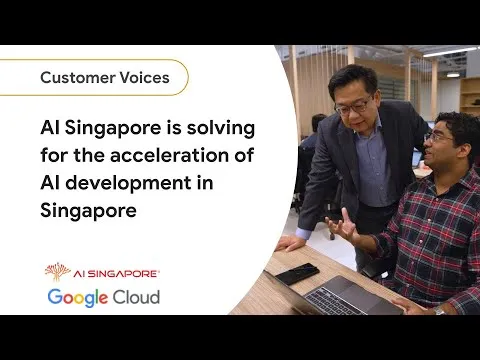 Inside AIAP: The Apprenticeship That Built Singapore’s AI Engineering Team
While updating the aifirstnation.org website I rewatched the short film Google Cloud made about AI Singapore in 2023, and decided to write the AIAP story down properly: the model, why it changed from 2+7 to 3+6 months, the new AIAP for Industry, and what it has produced.
Inside AIAP: The Apprenticeship That Built Singapore’s AI Engineering Team
While updating the aifirstnation.org website I rewatched the short film Google Cloud made about AI Singapore in 2023, and decided to write the AIAP story down properly: the model, why it changed from 2+7 to 3+6 months, the new AIAP for Industry, and what it has produced.
 “Yes, But What Do You Do?”
I recently came across a YouTube interview of John Dykes, the well-known sports broadcaster. He shared a story of his encounter with the late Mr. Lee Kuan Yew.
“Yes, But What Do You Do?”
I recently came across a YouTube interview of John Dykes, the well-known sports broadcaster. He shared a story of his encounter with the late Mr. Lee Kuan Yew.
How to use ai4sme.org in order: the free AIRI readiness assessment, the 308-case use-case library, the three-hour course, and the SME AI Starter Kit page by page. Free, no login, no fees.

The AIAP Field Guide now ends at forward deployed engineer — the right ending for the guide, the wrong first target for most people. My estimate: one in ten, perhaps one in twenty AI roles will be FDE roles. The other nineteen are AI engineer roles. We need both.
AI For Everyone rebuilt as a static, signup-free, tracking-free course with a Try-it on your own work in every lesson and the AIRI readiness thread end to end.
Agents got ID cards in 2026, from Microsoft Entra to a government card in Beijing. The documentation says identity designed to be created, tracked and traced to a named human owner
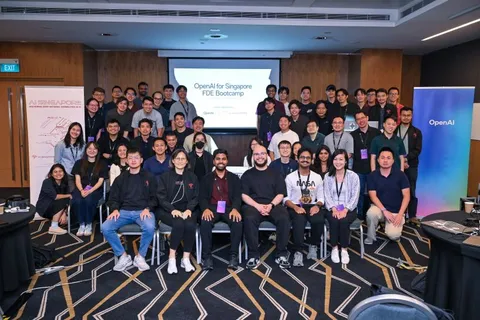
OpenAI ran a three-day FDE bootcamp with AI Singapore. What a forward deployed engineer does, why the AIAP graduate is already close to one, and the three gaps I will name.
Nine years of national AI programmes, distilled into one free website. Why ai4sme.org exists, what is on it, and why it had to launch now.

AI For Everyone taught 350,000 professionals. AI has since left the workplace, so I rebuilt the explanation around one hawker stall, for ages 8 to 80.
While updating the aifirstnation.org website I rewatched the short film Google Cloud made about AI Singapore in 2023, and decided to write the AIAP story down properly: the model, why it changed from 2+7 to 3+6 months, the new AIAP for Industry, and what it has produced.
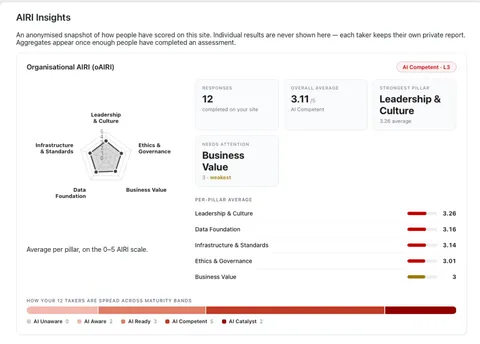
An open standard that nobody can run is not a standard. It is a document. I have spent a long time learning the difference, and airihub.io, which I am launching today, is what I have learned put into practice. Start with the framework.
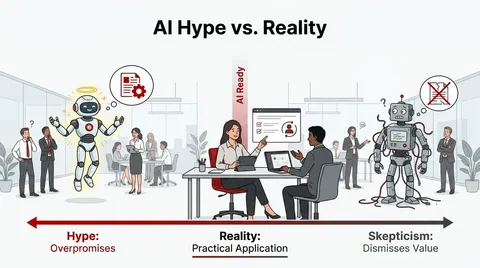
Most AI training treats a hospital director the same as a factory supervisor. That is why it does not stick. I have watched this play out for years, across more than a thousand organisations. A company decides its people need to be “AI ready.” It buys a course, or builds one.
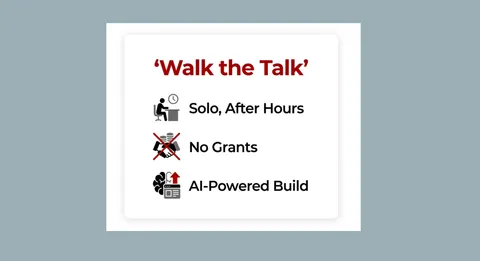
Prefer to watch or listen? Here is the narrated version of this essay, in my own voice. One person, after hours, no grants, and what it says about what AI can now do.
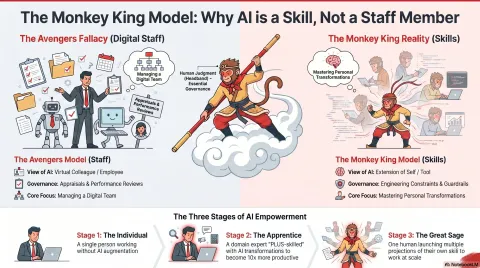
For the past two years, one slide has appeared in almost every keynote I have delivered. It shows the Three Stages of AI Empowerment.
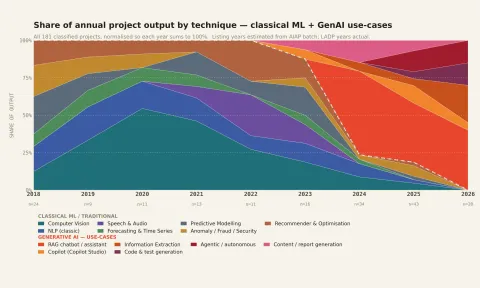
I recently went back through nearly every project our engineers have built since 2018 (181 projects across 100E, AIAP, SIP, AIAP for Industry and LADP, excluding our internal projects and special customer projects) and mapped each one by the AI technique it used.
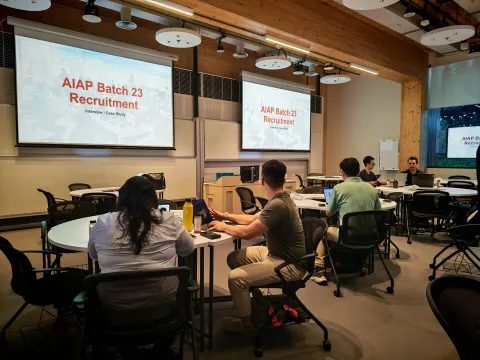
A four-cohort analysis of 285 applicants to the AI Singapore’s AI Apprenticeship Programme (AIAP) produced a clear picture of who gets in and what distinguishes them from those who do not.
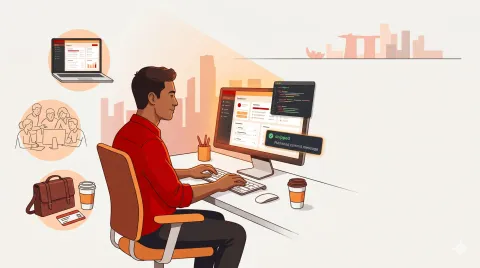
This week, I was part of a panel in a UK government AI learning programme on AI, and separately I was also asked to comment by a publication on the same subject. I sat down to write the responses and realised something. The answers were not really about Singapore.
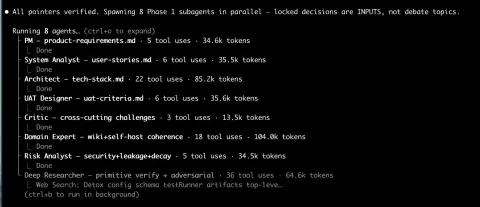
A Snapshot from the frontline of the Future of Work. Earlier this week, I captured a screenshot from a working session in TAAF, the agent framework I have been experimenting with.
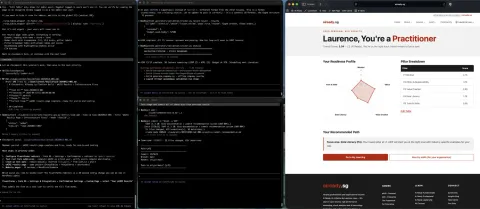
Three AI agents working in parallel. One is running a 72-hour autonomous validation loop across 9,750 lesson variants. Another is building out the aiready.sg website. A third is helping me improve TAAF, our agent framework, while I use it in production.
I recently came across a YouTube interview of John Dykes, the well-known sports broadcaster. He shared a story of his encounter with the late Mr. Lee Kuan Yew.
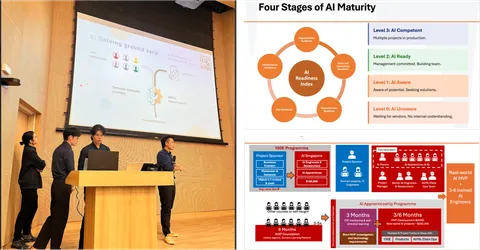
You hear the statistics. High failure rates. Implementation costs averaging $1.9 million. A workforce largely unprepared for the shift. When you examine global averages, these observations hold water. The confusion is palpable. The costs are substantial.
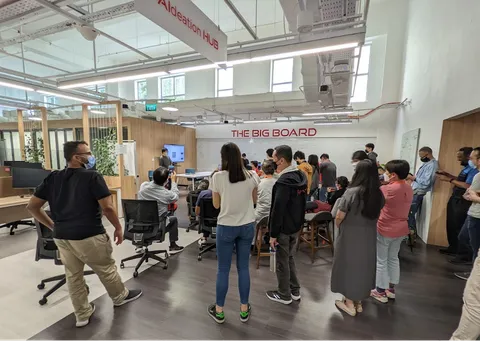
Seven years ago, when we launched the AI Apprenticeship Programme (AIAP), people questioned our approach. Real-world projects over academic theory? Skills over degrees? Training passionate self-learners instead of computer science graduates?
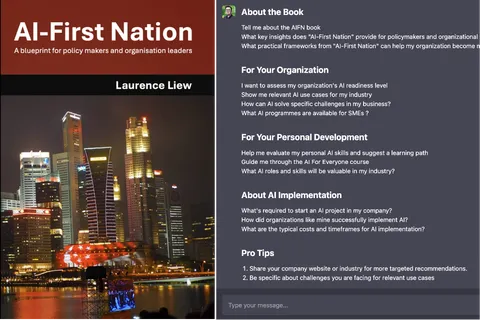
In my work developing AI capabilities for Singapore through AI Singapore’s numerous programmes, one thing has become abundantly clear: organisations and individuals need personalised guidance to navigate their AI adoption effectively.

When I started with AI Singapore in 2017, my mission was simple, to help 100 companies build AI solutions through our 100 Experiments (100E) programme.
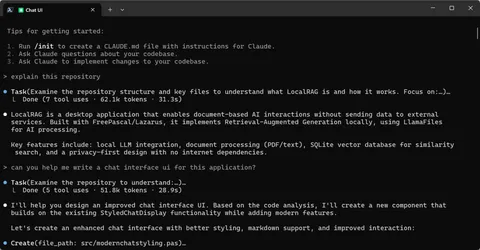
Over the past few months since launching my book “AI-First Nation,” I have been reflecting on how rapidly software development is transforming with the rise of AI coding assistants.
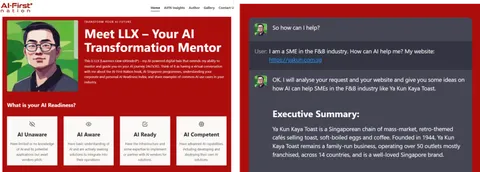
When SMEs approach me about adopting AI, they typically ask: “What AI use cases can I use in my business?” While it seems like a straightforward question, finding the right AI application is not a one-size-fits-all exercise.
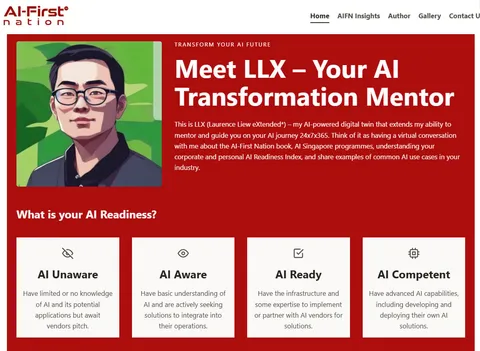
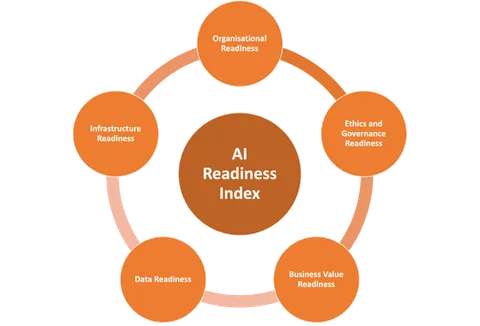
When my team and I developed the AI Readiness Index (AIRI) in 2019, it helped organisations understand their AI maturity and what steps they needed to take to become AI-ready.
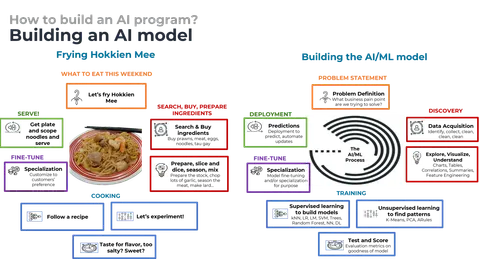
When DeepSeek announced they trained their V3 language model for just $5.6M, many were impressed including me. From an engineer’s perspective after reading the paper, it is a “of course why not”, but to investors and many riding on the AI hypewagon, they were “caught off guard”.
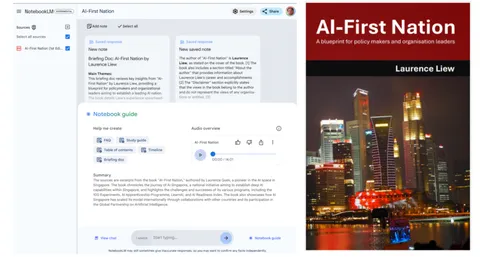
When AI Singapore started in 2017, we faced what seemed like an impossible challenge. We needed AI Engineers to work on AI projects, but we could not hire enough AI engineers.
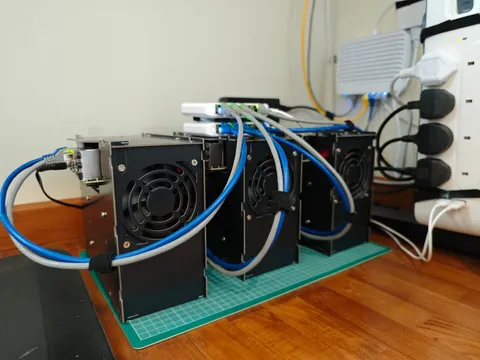
Big data, data science, machine learning, and now “open source” Large Language Models are all the rage and have tons of hype, for better and, in some ways, for worse.
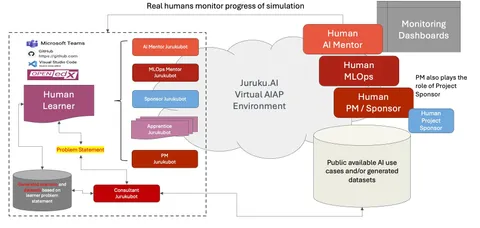
The year is coming to a close, and what a year it has been for AI. But as we stand on the cusp of 2025, it is clear that the true revolution is just beginning. AI agents are poised to reshape not just technology, but how we live, work, and learn.
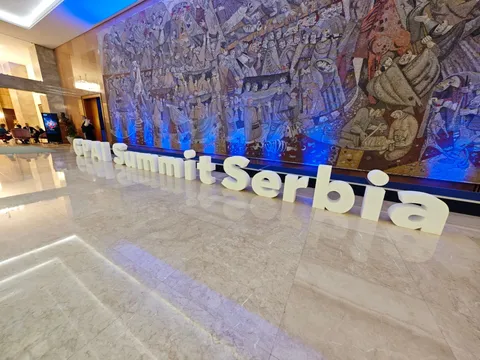
Introduction to AI Readiness Index When we conceived and developed the AI Readiness Index (AIRI) at AI Singapore in 2019, it was born out of necessity.
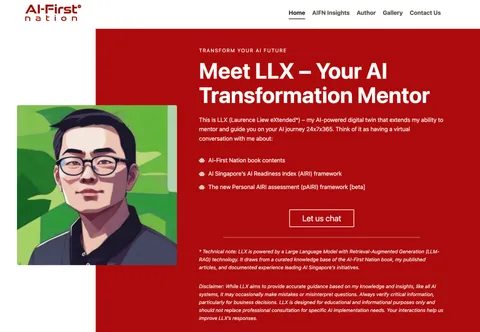
The evolution of the AIFN chatbot, now named LLX: Laurence Liew eXtended, a virtual twin and eXtension of myself.
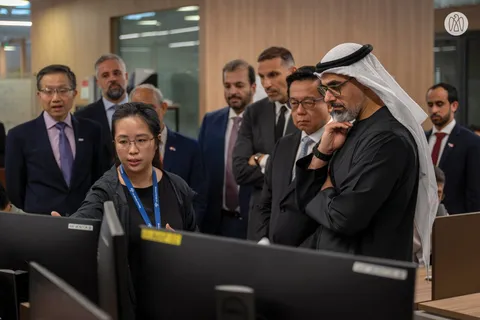
Welcome to the first edition of AIFN Insights, inside the secrets of AI Singapore’s AI talent pipeline, and why I am excited to have you join me.
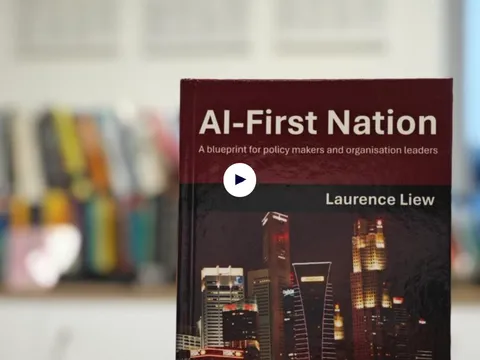
With all the hype around Google’s NotebookLM podcast capability, I thought why not give it a try and created an AI-First Nation podcast. So, I uploaded the PDF copy of the book to NotebookLM, and within 10mins or so, the podcast was generated.
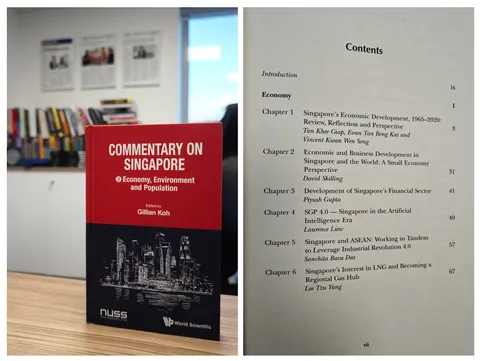
August 1, 2019 The article below first appeared in COMMENTARY VOLUME 27, 2018 SGP 4.0: AN AGENDA. Full PDF volume can be found here: https://worldscientific.com/doi/abs/10.1142/9789811281075_0004#
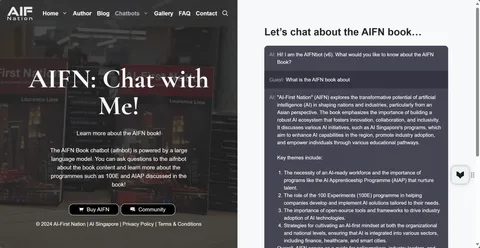
When the idea for “AI-First Nation” book took root, I knew I wanted it to be more than just another book about AI. I wanted it to be living proof of the transformative power of AI, a book that was not just about AI but also written with AI.
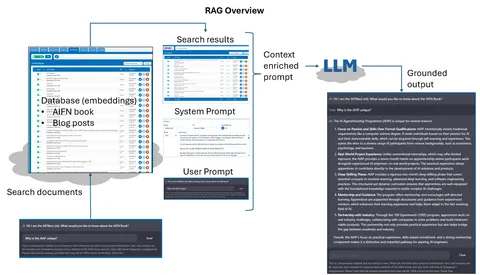
The rise of large language models (LLMs) has revolutionised the way we interact with information. One particularly useful application of LLMs is a chatbot, whether for customers (external) or internal corporate use.
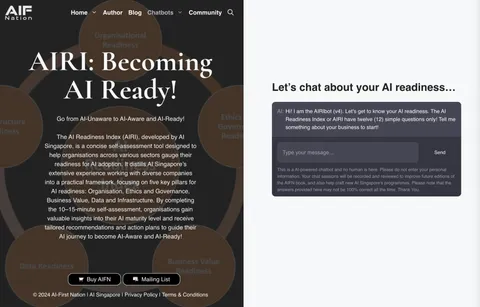
The age of AI is here. The promise of streamlined operations, data-driven insights, and enhanced customer experiences has captured the imagination of businesses across the globe.
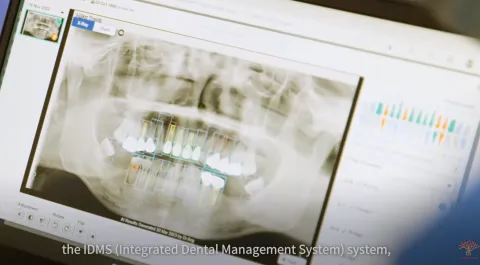
How Q&M Dental Group and AI Singapore built an LLM-powered treatment-plan assistant, and what it shows about AI adoption in healthcare practice.
AI4SME is one of the initiatives AI Singapore is championing for our Small-Medium-Enterprises (SMEs) to accelerate their adoption of AI. One of the latest initiatives launched is the Microsoft Copilot for SMEs programme in collaboration with Enterprise Singapore and Microsoft.
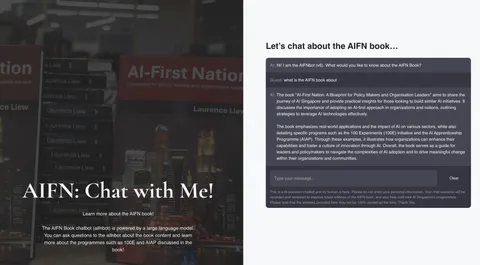
When I wrote “AI-First Nation: A Blueprint for Policy Makers and Organisation Leaders,” my goal was to share AI Singapore’s journey and provide practical insights for those looking to develop similar programmes we have in AI Singapore for their country or organisations.
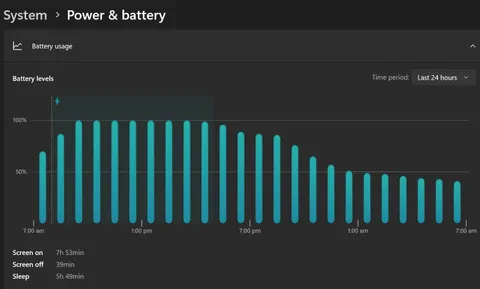
I thought what better way to share my passion for PC hardware and AI than to show a real-world use-case of using generative AI to help me analyse a new snapdragon elite-x laptop which I just received late last week.
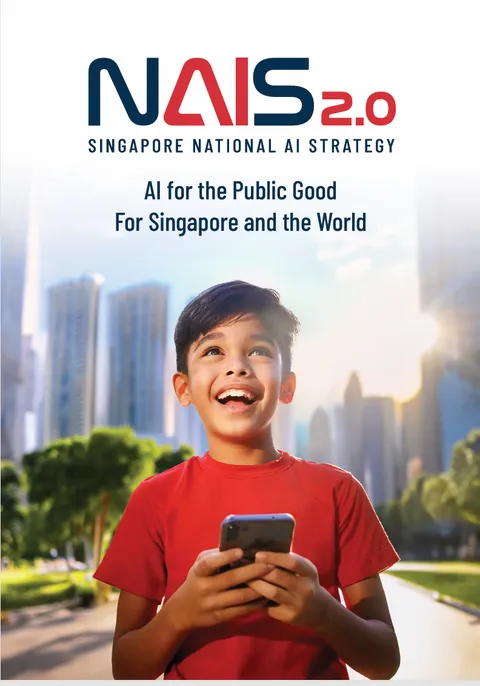
Singapore’s National AI Strategy 2.0 (NAIS 2.0) outlines a bold vision for the nation, emphasising “AI for the Public Good” while addressing global concerns around technology’s ethical development.
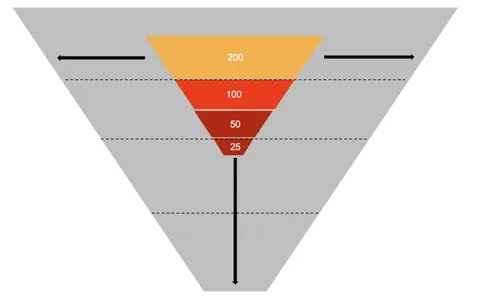
A global trend is emerging where large organisations attribute the rise of Generative AI as an excuse to slow down, halt or remove roles they think are susceptible to replacement by Generative AI.
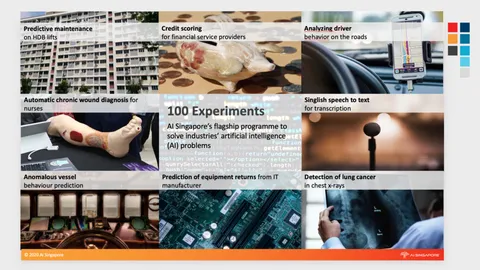
Navigating AI adoption can be hard. To inspire action, here are three real-world cases where strategic implementations delivered immense value.
The AIAP programme itself, and how AIAP and 100E fit together: two months of deep skilling, a seven-month project phase on real industry problems, and how the teams are run.
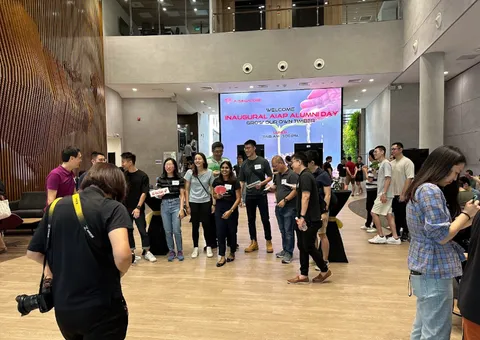
AI Singapore’s AI Apprenticeship Programme (AIAP) is a unique opportunity for passionate and highly motivated individuals to develop their skills in AI and machine learning and contribute to Singapore’s growing AI ecosystem.
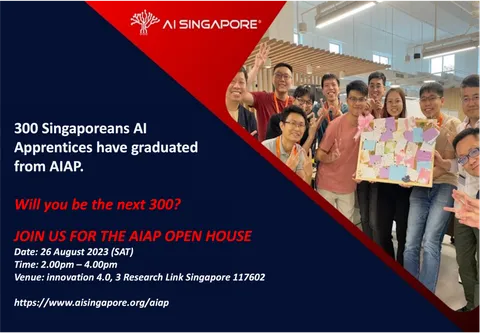
Singapore has grand ambitions of becoming a global AI innovation and talent hub. While AI engineers remain a critical part of the ecosystem, building world-class AI applications requires a diverse AI talent pool beyond coders and data scientists.
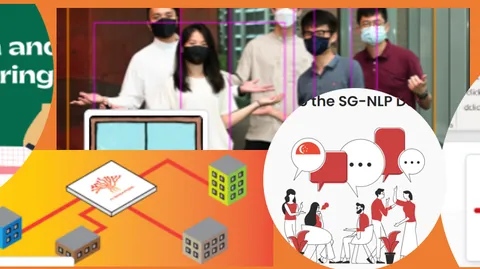
AI Singapore released two free and open-source AI Bricks, reusable building blocks that let SMEs assemble AI solutions without building from scratch.
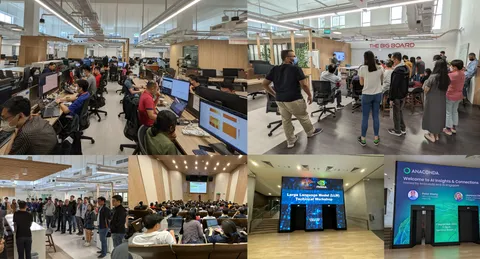
AI Singapore runs a very successful apprenticeship programme, the AI Apprenticeship Programme (AIAP), what I call PLUS-Skilling form of programme. Started in 2018, the AIAP is now into its 6th batch of apprentices.

The management classic Blue Ocean Strategy book by Chan Kim & Renée Mauborgne describes the business environment with the terms 'red ocean' and ‘blue ocean'.
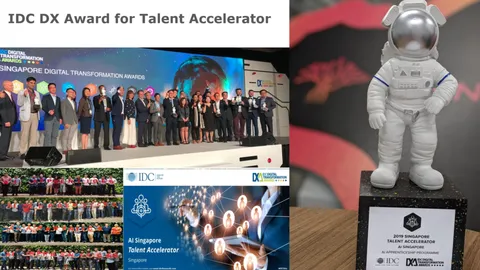
If you want to build your AI team, unless you have the deep pockets of Google or Facebook, you need to find more creative ways to Grow Your Own Timber and build up that AI/ML engineering talent.